
Foreign employment agencies threaten recruitment halt over 15-point demands
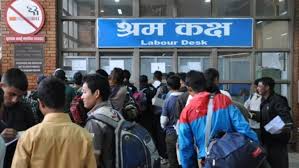
Kathmandu / Aug 8: Nepal’s foreign employment industry is threatening to bring the recruitment and deployment of workers to a halt, accusing the government of imposing impractical policies and regulatory hurdles that have made it increasingly difficult to operate.
The Nepal Association of Foreign Employment Agencies (NAFEA), which launched a protest campaign a few days ago, has issued a 15-point demand calling for sweeping reforms in the foreign employment sector. The NAFEA has declared a “zero hour” from Friday, signaling its readiness to stop sending workers abroad if its concerns are not addressed.
In a press statement, NAFEA President Dik Bahadur Khatri ‘Kumar’ said foreign employment businesses could not continue under the existing regulatory framework unless the government and concerned agencies introduced policy reforms.
One of the NAFEA’s key demands is the withdrawal of action taken by the Department of Foreign Employment against several manpower companies. It has also called for amendments to the Foreign Employment Act 2007 to establish transparent costs for workers and a scientific basis for determining service fees charged by recruitment agencies.
The entrepreneurs have also raised concerns over rising airfares and what they describe as artificial shortages of airline tickets to major labor destinations. They have urged the government to intervene to curb practices that increase the cost of migration for Nepali workers.
NAFEA has sought streamlined procedures for verifying labor demands from European countries, South Korea and Japan, as well as for the recruitment of female domestic workers. It has also called for Nepal to diversify its foreign employment markets by negotiating effective and worker-friendly bilateral labor agreements with destination countries.
The NAFEA has demanded separate mechanisms for handling institutional and individual complaints, including claims for compensation, arguing that the existing system needs to be made more transparent and efficient.
Another major concern is the recruitment process in key destination countries. NAFEA has urged the government to introduce a fully automated system for labor-demand verification and labor approval and take diplomatic initiatives to dismantle what it calls syndicates and monopolies involving intermediaries in Saudi Arabia’s visa and biometric processes, police-report verification in the United Arab Emirates and labor recruitment in Malaysia.
The NAFEA has also called for the deployment of labor assistants to help facilitate services for migrant workers and recruitment agencies.
Other demands include a ban on issuing new licenses to manpower companies, payment of interest on security deposits, creation of a cashless system for foreign employment-related transactions, access to concessional loans and measures to end unauthorized transactions in the sector.
With foreign employment remaining a major source of income for Nepal and millions of Nepalis working abroad, the threatened halt by recruitment agencies could potentially disrupt the flow of workers to overseas labor markets if the standoff continues.