
Local rice rules Humla cultivation
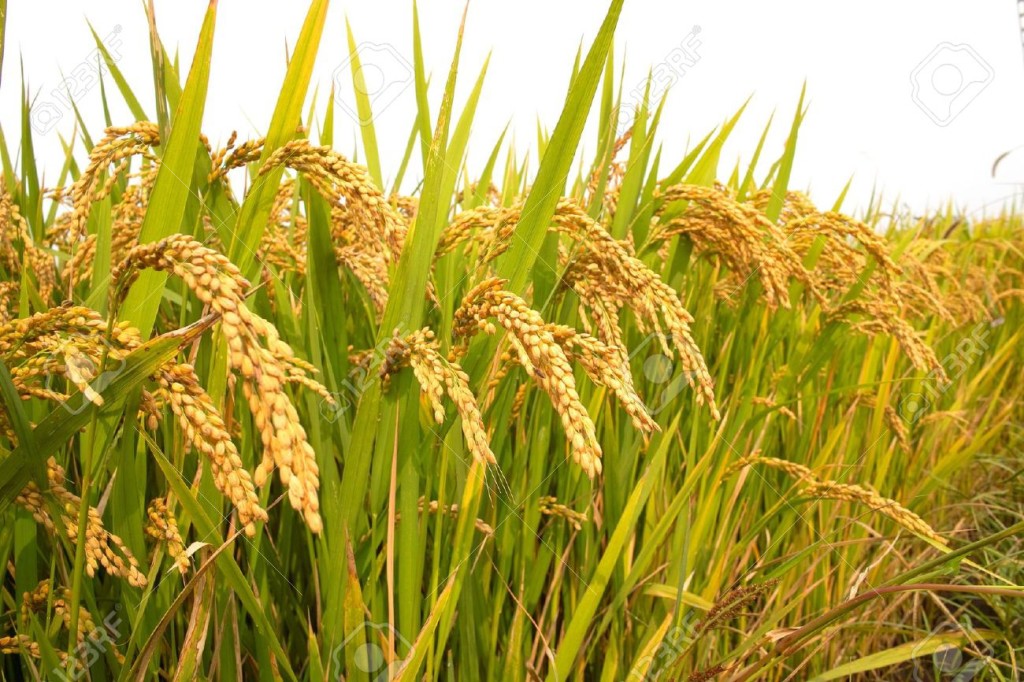
Humla / July 4: Farmers in the Himalayan district of Humla continue to cultivate indigenous rice varieties, preserving centuries-old agricultural practices. The continued use of local seeds is attributed to the absence of improved rice varieties in the district and the superior nutritional value of native rice.
71-year-old Dane Phadera of Unapani village in Sarkegad Rural Municipality-3 said that the cultivation of indigenous rice, which was practiced during the time of his father and grandfather, is still ongoing in his village.
He said that although government and non-government organisations have suggested introducing improved rice varieties, the villagers have chosen to continue growing indigenous rice.
According to him, farmers are turning to native rice cultivation because it is better to cultivate it with irrigation and because it is drought-tolerant. Even if there is a problem with irrigation, there is not much difference in production.
This resilience has encouraged farmers to continue cultivating local varieties. He said that indigenous rice cultivation in Humla dates back nearly 300 years.
Chief of the Agriculture Development Office, Chudamani Panta, said that the district’s major indigenous rice varieties include Jhinuwa, Andi and Jumli Marsi, which have been cultivated continuously for generations.
According to him, other local rice varieties grown in Humla include Juge, Dudhe, Dhainale, Dhoko, Kalo Lumsero, Khachche and Ratanpureyi. These varieties are still cultivated in rice-growing paddy filed across the district.
He said that there has been a slight decrease in rice production due to irrigation, less effort, and less interest in farming, but the production has been good. He added that indigenous rice is highly nutritious than improved varieties. Its strong drought tolerance is another reason why farmers continue to prefer cultivating local rice.
According to the Agriculture Development Office, indigenous rice is cultivated on around 1,000 hectares across the district, of which about 500 hectares have irrigation facilities. The productivity of paddy in Humla is 4.13 tonnes per hectare.