
Nepal’s Central Bank Unveils Flexible Monetary Policy to Support 7% Economic Growth Target
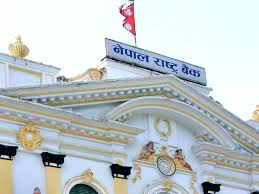
Kathmandu / July 7: The Nepal Rastra Bank (NRB) has introduced a flexible monetary policy for the fiscal year 2026/27, aimed at supporting the government’s target of achieving 7 percent economic growth while maintaining macroeconomic stability.
Unveiling the monetary policy on Tuesday, NRB Governor Dr. Bishwo Nath Poudel said the policy has been designed to complement the government’s fiscal policy and facilitate the achievement of its economic growth objectives.
Governor Poudel stated that banks and financial institutions have already extended loans worth approximately NPR 6 trillion. During the upcoming fiscal year, the banking sector is expected to expand credit by 11 percent, or about NPR 652 billion, to help meet the government’s growth target.
Addressing a press conference, NRB spokesperson Guru Prasad Poudel said the monetary policy has been formulated to support the government’s policies, programs, and budget for the upcoming fiscal year.
“The monetary policy has been designed to complement and support the government’s policy framework and budget. It will play a supportive role in achieving the government’s economic objectives,” he said.
Relief Measures for Borrowers
The central bank has introduced provisions to eliminate the practice of creating unlimited liabilities through personal guarantees used as collateral for loans. According to spokesperson Poudel, the measure is expected to provide some relief to borrowers.
The monetary policy also seeks to ease restrictions faced by individuals and businesses blacklisted due to dishonored cheques. Rather than automatically blacklisting offenders, the central bank plans to explore alternative legal mechanisms, which officials say will make it easier for entrepreneurs and businesses to continue accessing banking services.
Support for Revival of Sick Industries
The NRB has also adopted policies to encourage the revival of financially distressed industries by supporting companies that present new business plans and long-term visions.
NRB Executive Director Dr. Satyendra Timilsina said the policy is intended to encourage investors willing to revive sick industries with viable operational plans.
“We have introduced this policy to facilitate the management of non-performing loans associated with distressed industries and help restore such enterprises to operation,” Timilsina said. “This will enable banks and financial institutions to recover their investments while creating conditions for sick industries to resume operations.”
Share-Backed Lending and Electric Vehicle Financing
The monetary policy introduces special provisions under which share-backed loan limits will be determined based on the financial strength of institutions. It also eases the loan-to-value ratio for large electric vehicles used for public transportation to promote cleaner public transport.
The policy further encourages banks and financial institutions to reduce operating costs through digitalization and pass the resulting benefits on to customers while improving service quality.
In addition, the NRB plans to complete an ongoing review of the classification of banks, financial institutions, and non-bank financial institutions before gradually implementing regulatory measures that encourage institutions to focus on their designated areas of operation.
Monetary Policy Presented Through Three Separate Documents
Spokesperson Poudel said this year’s monetary policy has been presented in three separate documents instead of a single consolidated report, marking a departure from previous practice.
The central bank has published:
A review of the 2025/26 Monetary Policy;
The Macroeconomic Report, Analysis and Outlook; and
The Monetary Policy for Fiscal Year 2026/27.
Inflation and Foreign Exchange Targets
The NRB aims to maintain inflation at around 5.5 percent during fiscal year 2026/27 while ensuring foreign exchange reserves sufficient to finance at least seven months of imports of goods and services. The policy also commits to maintaining adequate monetary liquidity and foreign exchange management to support the government’s 7 percent economic growth target.
The central bank will continue to manage the weighted average interbank interest rate around the policy rate through open market operations. It also plans to use different monetary instruments depending on liquidity conditions to address structural, regular, and emergency liquidity needs.
The policy keeps unchanged the policy rates under the interest rate corridor, including the Standing Deposit Facility Rate and the Bank Rate. Existing provisions related to the Cash Reserve Ratio (CRR), Statutory Liquidity Ratio (SLR), and Standing Liquidity Facility (SLF) will also remain in place.
Nepali Banks to Invest in Foreign Government Securities
For the first time, the NRB has introduced a policy allowing commercial banks to invest in foreign government securities to better manage liquidity arising from foreign currency purchases. The central bank has also adopted a policy of conducting sterilized interventions when purchasing foreign exchange.
Executive Director Timilsina said Nepali banks and financial institutions will be allowed to invest in securities and bond funds issued by foreign central banks.
The monetary policy also includes plans to study the introduction of a peer-to-peer lending system based on individual credit scoring. Furthermore, the NRB has committed to implementing, in coordination with relevant government agencies, programs related to Nepal’s national commitments, governance reform agenda, the government’s 100-point governance improvement plan, and initiatives outlined in the national budget that fall under the central bank’s jurisdiction.